
The so-called “Kraftstoffmaßnahmenpaket” – fuel measures package – entered into force in Germany on 1 April 2026 against a tense geopolitical backdrop. The package is a set of legislative measures aimed at improving oversight of fuel pricing and competition in the fuel market. In the preceding weeks, oil prices moved sharply amid the conflict involving Iran and disruption risks around the Strait of Hormuz. It is therefore easy to see the package as crisis legislation. However, the package does not respond only to pressure at the pump. It also strengthens the Bundeskartellamt’s (FCO) toolkit beyond the mineral oil sector and has prompted a more visible effort by the regulator to explain its role in public.
Three elements, one package
The fuel measures package combines three measures:
- Limited price increases. First, petrol stations may now increase prices only once per day, at 12 noon, while price reductions remain possible throughout the day. For consumers, this will be the most visible part of the package. The idea is to reduce extreme intraday price movements and make prices more transparent. At the end of 2025, fuel prices in Germany were reportedly being changed on average 22 times a day.
- Excessive pricing scrutiny. Second, the package introduces a new Section 29a of the German Act Against Restraints on Competition (GWB). This provision targets allegedly excessive prices at the wholesale level of the fuel sector. It applies not only to dominant undertakings, but also to undertakings with relative market power. Compared with general abuse control, the new rule creates a stricter sector-specific regime by making it easier for the FCO to pursue allegedly excessive pricing. In FCO proceedings, the undertakings concerned must substantiate and prove their costs and cost allocation. In the view of the legislator thus matters because pump prices in Germany have at times appeared to rise more strongly than crude oil prices.
- Sector inquiry measures. Third, and from a broader competition-law perspective probably most significantly, the package amends Section 32f GWB. This is the provision that allows the FCO, following a sector inquiry, to impose measures if it finds a significant and continuing malfunctioning of competition. While the political discussion is focused on fuel prices, this change reaches much further since it is not limited to the mineral oil sector – more on this in the following.
Sector inquiry: More powers
Following a sector inquiry, the FCO may impose behavioural or structural remedies in markets in which competition is malfunctioning, even where no specific undertaking has committed an infringement, including organisational separation of parts of undertakings or business divisions. To date, the FCO has not used these powers.
Nevertheless, the fuel measures package appears to push these powers a little further. It removes a requirement that the undertaking concerned must have materially contributed, through its conduct and its significance for market structure, to a malfunctioning of competition. The legislator states that such a requirement does not fit a structural instrument like sector inquiry measures and instead points to the high threshold for finding a malfunctioning of competition and the strict requirements governing the selection of remedies as sufficient safeguards.
In addition, the fuel measures package changes the procedure. A sector inquiry remains the starting point for any later remedy. What changes is what comes next: Until now, the FCO first had to adopt a separate decision establishing, based on that sector inquiry, a significant and continuing malfunctioning of competition. Only in a second step could the FCO impose remedies. The revised rules combine both steps in a single decision to accelerate the procedure. In other words, the FCO may now, in one and the same decision, both find a malfunctioning of competition and impose a remedy.
In the only “live” sector inquiry of the FCO that might end with remedies, concerning the mineral oil sector (see our blog post here), the proceedings to establish the malfunctioning of competition have already been pending for more than a year.
The criticism and Mundt’s response
It is not surprising that the amendment to the sector inquiry powers has drawn criticism beyond the fuel sector. In a joint position paper, German business associations argued that the revised rules weaken legal certainty and procedural safeguards. The legislator argues that legal protection is not reduced because all relevant elements of the FCO’s decision remain subject to judicial review. Formally, that is true. In practice, however, the key questions will be how broadly the FCO uses the revised powers and how intensively the courts review its decisions.
Criticism was not limited to the legislation. Public criticism also turned directly against Andreas Mundt, President of the FCO. Mundt responded, unusually, directly on LinkedIn. He defended the regulator and its staff, stressed that competition enforcement under a rule of law cannot produce instant price cuts, and announced that the FCO would communicate more directly about its work.
Since then, Mundt has in fact used LinkedIn to report regularly on the implementation of the fuel measures package: The monitoring of the new rule on price increases, the internal reorganisation of fuel enforcement, and other first practical steps under the new framework.
More than a fuel measure
High fuel prices may have been the trigger for the legislative change. However, the lasting significance of the fuel measures package may lie less in its impact on fuel prices than in what it says about the future direction of German competition law. The package suggests an ever-growing willingness to use competition law to address structural market problems. Even so, that does not mean competition law has become regulation by another name (yet).
Apart from the statutory changes, the current developments are also notable for another reason: The way the FCO has chosen to communicate publicly. In both respects, this is something worth watching.
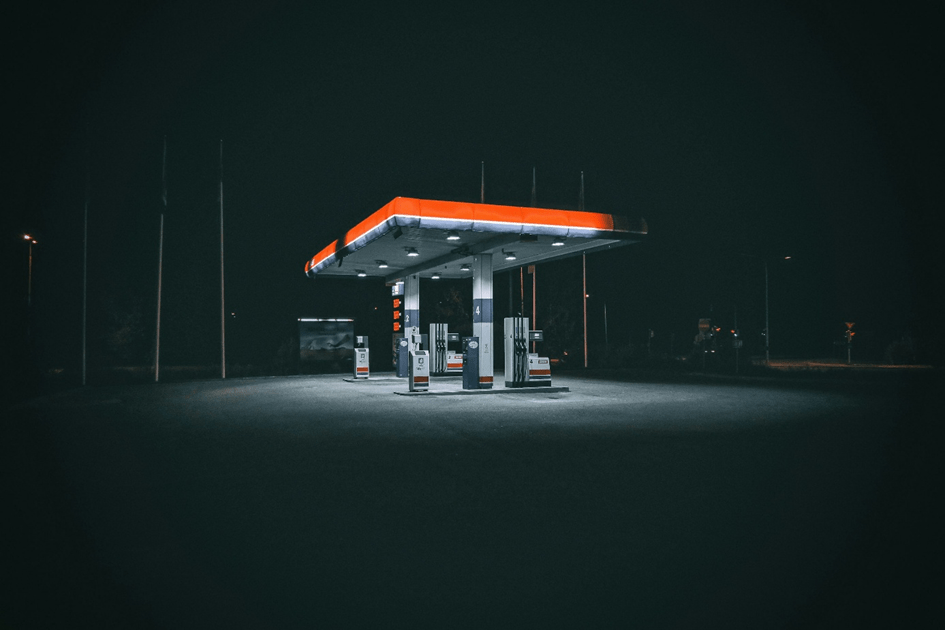
Picture by Hans Eiskonen on Unsplash

 Antitrustpolitics.com