
Within little more than two weeks in April 2026, the antitrust regulators in Italy, France, South Korea and Japan issued decisions concerning forms of coordination that would strike antitrust experts and laypersons alike as familiar: Market and customer allocation, price-fixing and bid rigging. That does not, by itself, prove that “cartels are back”. However, it does suggest that classic cartel enforcement is not a thing of the past, with increased activity particularly in sectors in which such cases have recently become more prevalent, including fast-moving consumer goods (FMCG), industrial inputs, and civil works.
Italy: Private-label snacks and market allocation
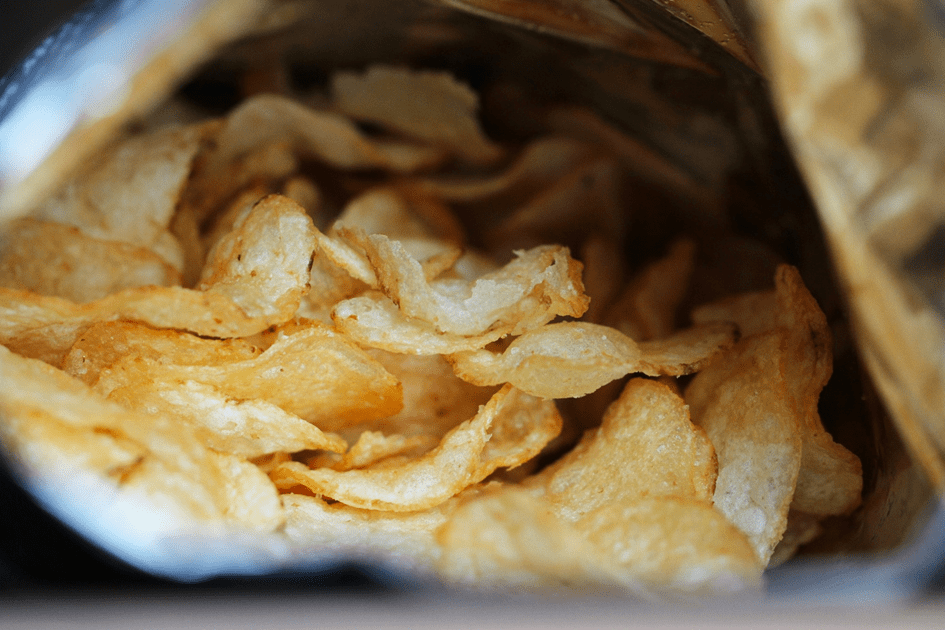
A recent example comes from Italy, where the Italian regulator (AGCM) issued a decision on 28 April 2026 against Amica Chips, Pata and Preziosi Food. The AGCM found that the three companies had participated in a market-sharing cartel in the Italian market for savoury snacks manufactured for large-scale retailers and sold under those retailers’ private labels.
The regulator imposed fines totalling just over EUR 23 million. Two procedural features are notable in their own right: The application of the AGCM’s leniency programme and, for the first time since its implementation in 1990, the use of a settlement procedure under Italian antitrust law.
France: Organic food and customer allocation
Placed alongside the French Autorité de la concurrence (Autorité) decision of 16 April 2026, the Italian case also points to a common sectoral setting. In France, the Autorité fined three organic food distributors a total of EUR 12.67 million for an agreement that lasted more than seven years and aimed at allocating their organic brands between specialist organic stores and conventional supermarkets. According to the Autorité, the arrangement sought to prevent the same organic brands from being sold in both channels, thereby avoiding comparability of products and prices between them.
FMCG: A familiar setting
FMCG and retail markets have been unusually visible in competition enforcement recently, which is perhaps unsurprising (and hard to miss for regular readers of this blog): These markets are politically sensitive because they affect everyday consumer spending and price perceptions.
The European Commission’s recent unannounced inspections in the chocolate confectionery sector and the French Autorité’s even more recent dawn raids in food supplements and dermo-cosmetics suggest that further cases in adjacent consumer-goods markets may still be on the horizon. In addition to these recent antitrust cases, the food retail sector continues to be the focus of complex merger control proceedings. In France in 2025, nearly half of all 328 merger control decisions involved food retail. Meanwhile, in Germany, the Federal Cartel Office (FCO) has now initiated a Phase II investigation into EDEKA’s planned acquisition of over 200 stores from the supermarket chain Tegut (for more on this, see my last blog post).
Korea: Printing paper and price-fixing
On 23 April 2026, the Korea Fair Trade Commission (KFTC) announced fines against six printing-paper manufacturers for coordinating price increases and reductions in discount rates in the domestic printing-paper market. According to the KFTC, the six companies accounted for around 95% of the domestic market, held at least 60 meetings, raised prices seven times and ultimately drove an average increase of about 71% in paper prices over the course of less than four years. The KFTC imposed cumulative fines of approximately KRW 338.3 billion (≈ EUR 196 million) and referred two cartel members to prosecutors.
The conduct appears to be strikingly old-fashioned. According to the regulator, executives sought to conceal the conduct by avoiding the use of their own mobile phones and by limiting the use of full names. The case also follows another separate KFTC decision in the paper sector. In November 2024, the regulator sanctioned three paper manufacturers in the newsprint market, alleging coordinated price increases.
Japan: Road cleaning and bid rigging
On 22 April 2026, the Japan Fair Trade Commission (JFTC) issued cease-and-desist and surcharge payment orders to four providers of road cleaning services for bid rigging. Interestingly, the JFTC also requested improvement measures from the entity that had issued the tenders as was therefore the victim of the conduct, after finding that confidential bidding information had been leaked.
The Japanese decision stands alongside two other recent bid rigging matters in public procurement in Europe. In May 2025, the FCO fined seven road-repair companies for bid rigging and customer allocation, while in March 2026 the Spanish competition agency, CNMC, opened proceedings concerning suspected bid rigging by twelve construction companies in civil-works tenders.
There’s life in the old dog yet
If there is a broader lesson to be learned from this recent cluster of cases, it is not that classic cartels have suddenly made a comeback. Rather, it is that they never seem to disappear completely. Market-sharing, price-fixing and bid rigging are still common forms of coordination and continue to emerge worldwide, even in sectors and companies that operate under mature compliance expectations.
The same is true from an enforcement perspective. Today, regulators are often associated with digital platform regulation, unilateral conduct, and newer forms of alleged anti-competitive behaviour, such as no-poach agreements. However, recent decisions in Italy, France, Korea and Japan demonstrate that classic cartel enforcement remains an integral part of the day-to-day work of antitrust regulators, and effective prevention, training and detections measures should therefore also remain a priority in every company’s compliance work.
Photo by Esperanza Doronila on Unsplash

 Antitrustpolitics.com